
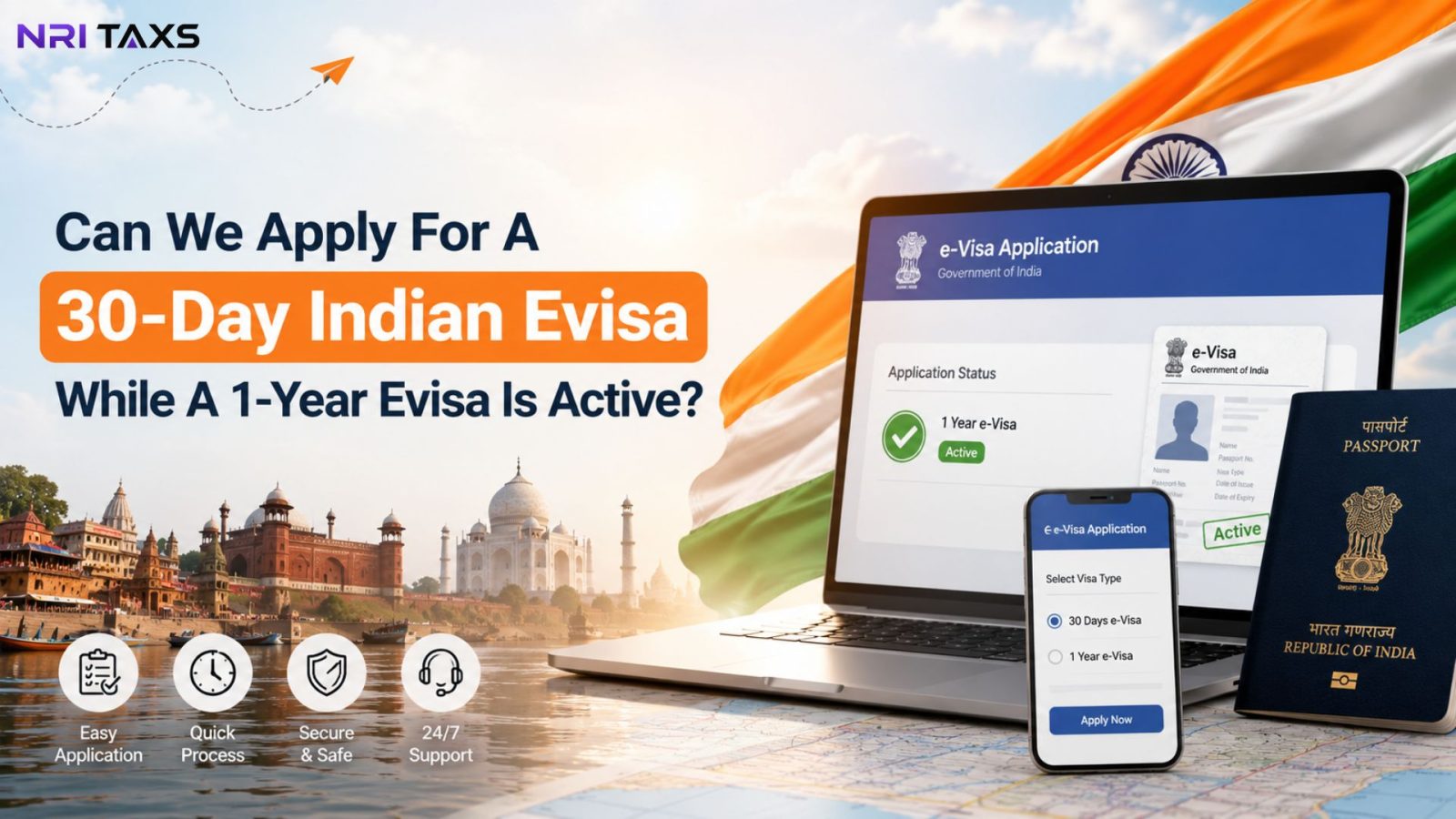
The question of whether one can apply for 30-Day Indian Evisa While 1-Year Evisa Is Active is active is a common point of confusion for many travelers. This situation often arises when travel plans change unexpectedly or when a traveler needs a fresh entry permit for a specific purpose. Understanding the official rules is important for smooth travel planning. The Indian eVisa system has specific guidelines about holding multiple visas, and knowing these helps avoid potential issues with your application or entry into the country.
Understanding Indian Tourist Evisas
The Indian government offers different types of tourist eVisas to suit various travel needs. Each has its own validity period, entry permissions, and conditions. The two most common options are the 30-day and 1-year tourist eVisas. Being familiar with their features helps in making an informed decision about which visa to apply for and how to manage them.
- 30-Day Tourist eVisa
The 30-day tourist eVisa is designed for short-term visits. Its validity is 30 days from the date it is granted, not from the date of your first entry into India. This visa allows for double entry, meaning you can enter the country twice within that 30-day period. It is a good option for travelers planning a brief trip or a vacation with a short side trip to a neighboring country.
- 1-Year Tourist eVisa
The 1-year tourist eVisa offers more flexibility for longer-term travelers. It is valid for 365 days from the date of grant and permits multiple entries. However, there is a limit on the duration of each continuous stay. For most nationalities, the maximum stay per visit is 90 days. This means a traveler must exit India before the 90-day period is over but can re-enter as many times as needed while the visa is valid.
NEED HELP WITH INDIAN VISA OR NRI TAX QUERIES?
The Indian eVisa system is designed to associate one active eVisa with a single passport number at any given time. As a general rule, you cannot hold two Indian eVisas simultaneously. If you submit an application for a new 30-day eVisa while your 1-year eVisa is still valid, the system will process the new application. However, this action has direct consequences for your existing visa.
The system does not support overlapping or concurrent eVisas. Therefore, applying for a new one is seen as an intent to replace the current one. This is a key principle of the Indian immigration process that travelers should be aware of. The primary logic is to maintain a clear and singular travel authorization for each individual, preventing confusion at immigration checkpoints.
What Happens If You Submit A New Evisa Application?
When you submit a new eVisa application with an active visa already linked to your passport, one of two things generally happens. The most likely outcome is that if the new 30-day eVisa is approved, it will automatically cancel and replace your existing 1-year eVisa. The system updates your record, and the old visa becomes invalid, even if it had significant time left on its validity.
In some cases, the new application might be rejected or flagged for review if the system detects an active visa. The outcome depends on the internal processing rules of the Indian immigration authorities at that time. It is not advisable to assume the old visa will remain active. The standard procedure is that a new grant of visa for the same passport will invalidate any previous grant.
Common Reasons Travelers Apply For 30-Day Indian Evisa While 1-Year Evisa Is Active
- Maximum Stay Limit Reached
Travelers may apply for a new 30-day eVisa after completing the permitted stay duration on their 1-year tourist visa. - Short-Term Travel Needs
Some visitors only require a brief trip to India for tourism, family visits, or personal work. - Change in Travel Plans
A traveler’s itinerary may shift from a long stay to a shorter visit, making a 30-day eVisa more practical. - Passport Renewal or Loss
If the passport linked to the current visa is renewed, lost, or damaged, a fresh eVisa application may be required. - Existing eVisa Nearing Expiry
Travelers often apply for a new 30-day eVisa to avoid travel disruptions when their current visa is close to expiration.
Indian Evisa Rules You Should Know Before Applying
Before proceeding with a new application, it is helpful to be aware of some core rules governing the Indian eVisa system.
- First, an eVisa is non-extendable and non-convertible. You cannot extend its validity while in India or change it to another visa category.
- Second, applications must be submitted at least four days before the intended date of arrival.
Additionally, the purpose of your visit must align with the visa category. A tourist eVisa cannot be used for business, employment, or missionary work. Lastly, travelers must carry a printed copy of their Electronic Travel Authorization (ETA) with them at all times during their stay in India. Following these rules ensures a smoother experience with the immigration process.
Will Your Existing 1-Year Evisa Get Cancelled?
Yes, it is highly probable that your existing 1-year eVisa will be cancelled upon the approval of a new 30-day eVisa. The Indian government’s visa processing system is built to maintain a single, valid visa per person. When a new visa is issued, the previous one is electronically voided in the immigration database.
This cancellation is automatic and often happens without any separate notification. You should not expect to receive an email confirming the cancellation of your old visa. The approval of the new one serves as the effective replacement. For this reason, it is important to be certain about your decision before applying for a new visa, as the action is irreversible.
Common Mistakes Travelers Make With Indian eVisas
- Misunderstanding eVisa Validity
Many travelers assume the 30-day eVisa starts from the date of arrival, but it is actually valid from the date of issuance. - Applying Too Early
Submitting the application weeks before travel can reduce the effective stay period available in India. - Assuming Multiple Active eVisas Are Allowed
Some travelers believe they can keep a new eVisa ready while continuing to use the existing one, which may create complications. - Entering Incorrect Personal Details
Errors in names, passport numbers, or nationality details often lead to delays or visa rejection. - Using an Old or Expired Passport
Travelers sometimes forget that the eVisa is linked to the passport used during the application process.

Tips Before Reapplying For An Indian Tourist Evisa
Before you decide to reapply for an Indian eVisa, here are a few practical tips to consider:
- Confirm Your Travel Dates:- Be absolutely sure about your travel itinerary. Since a new visa will cancel the old one, apply only if your plans are firm and require a new visa.
- Double-Check All Information:- Carefully review your application form for any errors in your name, date of birth, passport number, and other details. Accuracy is essential to avoid rejection.
- Check Your Current Visa Status:- Before applying, log into the official eVisa portal to check the exact expiry date and status of your existing 1-year eVisa. This helps you make an informed decision.
- Understand the Financial Aspect:- Remember that visa fees are non-refundable. If you cancel a 1-year visa with many months of validity left, the fee for that visa is lost.
Conclusion- 30-Day Indian Evisa While 1-Year Evisa Is Active
In summary, it is possible to apply for a 30-day eVisa while holding an active 1-year eVisa, but it is critical to understand that the new visa will almost certainly cancel the existing one. The Indian visa system operates on the principle of one active visa per passport. Therefore, this action should be taken only after careful consideration of your travel plans. Looking ahead to 2026, we may see further system integrations that could provide clearer real-time status updates on visa cancellations, making the process more transparent for travelers.
Disclaimer
The content published on NriTaxs is intended for informational purposes only and does not constitute legal, tax, or financial advice. Readers are encouraged to consult qualified professionals before making any decisions based on the information provided.

Related Articles