

Are you an NRI earning income in India and wondering which documents you need to file your taxes correctly? If so, you’re not alone. Tax filing for Non-Resident Indians (NRIs) can feel overwhelming, especially when income comes from multiple sources such as rental properties, investments, fixed deposits, or capital gains. Missing an important document can lead to filing errors, delayed refunds, or unnecessary complications with the Income Tax Department.
The good news is that having the right paperwork ready can make the entire process much smoother. This guide covers all Documents Required for NRI Tax Filing in India to ensure accurate and hassle-free tax filing in India.
Why Is It Important to Keep Tax Documents Ready?
Tax filing isn’t just about reporting income; it’s about supporting the information you provide with accurate records. Proper documentation helps NRIs calculate their tax liability correctly, claim eligible deductions, verify taxes already paid, and avoid discrepancies that could attract notices from the Income Tax Department.
Whether you’re filing taxes for the first time or have been doing so for years, maintaining organized financial records can save you significant time and effort during tax season.
Essential Documents Required for NRI Tax Filing in India
While document requirements may vary depending on the nature of the income earned in India, some records are fundamental for almost every NRI taxpayer.
PAN Card
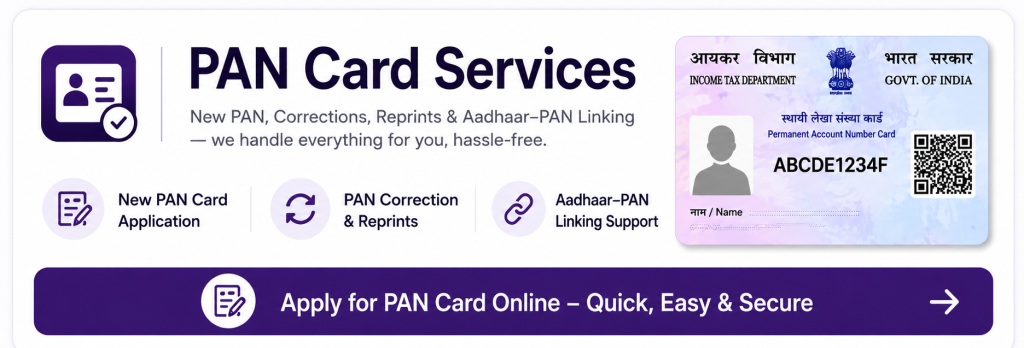
A Permanent Account Number (PAN) is the cornerstone of tax compliance in India. NRIs need a PAN card to file income tax returns, claim tax refunds, track tax payments, and conduct several financial transactions.
Before filing your return, ensure that your PAN details are accurate and updated. Any mismatch in PAN information can create issues during the processing of your tax return.
Passport and Travel Records
Your residential status determines how your income is taxed in India. Since NRI status is based largely on the number of days spent in India during a financial year, your passport serves as a crucial document.
Keep copies of:
- Passport
- Visa or residency permit
- Immigration stamps
- Travel history records
These documents help establish your residential status under Indian tax laws and can be useful if any clarification is sought by tax authorities.
Aadhaar Card (If Applicable)
Although many NRIs may not be required to link their Aadhaar with PAN, those who possess an Aadhaar card should have it available during tax filing, as it may be needed for verification purposes based on individual circumstances.
Form 26AS
Form 26AS is a consolidated tax statement and is one of the most important documents for tax filing.
It contains details such as:
- Tax Deducted at Source (TDS)
- Tax Collected at Source (TCS)
- Advance tax payments
- Self-assessment tax payments
- Tax refunds received
- High-value financial transactions
Before filing your return, always compare your income details with Form 26AS to ensure consistency and avoid errors.
Annual Information Statement (AIS)
The Annual Information Statement (AIS) provides a detailed summary of your financial transactions reported to the Income Tax Department.
AIS may include information related to:
- Interest income
- Dividend income
- Securities transactions
- Property purchases and sales
- Foreign remittances
- Tax payments
Carefully reviewing AIS can help identify discrepancies and ensure that all income is reported accurately.
Tax Information Statement (TIS)
The Tax Information Statement (TIS) presents a summarized version of the information available in AIS. It provides taxpayers with a simplified view of financial data that can be used while preparing tax returns.
Checking TIS alongside AIS can help ensure complete and accurate reporting.
NRE and NRO Bank Account Statements
Bank statements are among the most critical documents for NRIs.
- NRE Account Statements: Interest earned in Non-Resident External (NRE) accounts is generally exempt from tax in India, provided certain conditions are met.
- NRO Account Statements: Interest earned in Non-Resident Ordinary (NRO) accounts is typically taxable and must be reported while filing tax returns.
Reviewing both account statements helps distinguish between taxable and exempt income accurately.
By ensuring you have these documents ready, you can make your tax filing process in India much smoother.
Click here to read full guide on NRE and NRO Account
Documents Required Based on Your Source of Income
Not all NRIs earn income from the same sources. Depending on your financial activities in India, you may need additional documents. Here’s a breakdown based on various income sources:
Rental Income Documents
If you own property in India and earn rental income, keep the following records ready:
- Rent agreement
- Rent receipts
- Property tax payment receipts
- Municipal tax records
- Home loan interest certificate (if applicable)
- Tenant details
These documents will help you calculate your net taxable rental income and support deductions claimed under tax provisions.
Capital Gains Documents for Property Sales
If you’ve sold a property in India during the financial year, you’ll need several documents to accurately calculate your capital gains. These include:
- Purchase deed
- Sale deed
- Registration documents
- Stamp duty payment records
- Renovation and improvement invoices
- Brokerage receipts
Without these records, determining the correct cost of acquisition and capital gains can become challenging.
Stock and Mutual Fund Investment Statements
NRIs investing in Indian financial markets should maintain records such as:
- Demat account statements
- Broker transaction reports
- Contract notes
- Capital gains statements
- Mutual fund redemption statements
These documents help you determine whether your gains are short-term or long-term and calculate your tax liability accordingly.
Fixed Deposit and Interest Income Records
Interest earned from fixed deposits and certain savings instruments may be taxable. Important documents include:
- Fixed deposit certificates
- Interest certificates issued by banks
- Income summaries
- TDS certificates
These records will help reconcile the income reported in your Annual Information Statement (AIS) and Form 26AS.
Dividend Income Statements
Many NRIs earn dividend income from Indian shares and mutual funds. Maintain:
- Dividend statements
- Broker reports
- Investment summaries
These documents ensure that your dividend income is reported accurately on your tax returns.
Business or Professional Income Documents
NRIs operating a business or providing professional services in India should maintain:
- Profit and loss statements
- Balance sheets
- Invoices
- Expense records
- GST returns (if applicable)
- Audit reports (if required)
Accurate bookkeeping is essential for reporting business income and claiming legitimate expenses.

Documents Required for DTAA Benefits
Many NRIs are liable to pay taxes both in India and their country of residence. To prevent double taxation, India has entered into Double Taxation Avoidance Agreements (DTAAs) with several countries. If you plan to claim DTAA benefits, keep the following documents ready:
- Tax Residency Certificate (TRC): A certificate issued by the tax authorities of your country of residence is one of the primary documents required for claiming treaty benefits.
- Form 10F: This may be required when certain details are not available in the Tax Residency Certificate.
- Foreign Tax Payment Records: Maintain copies of:
- Foreign tax returns
- Tax payment receipts
- Foreign assessment orders
- Tax withholding certificates
These documents may be necessary when claiming foreign tax credits or treaty benefits.
Common Documentation Mistakes NRIs Should Avoid
Even experienced taxpayers can make mistakes while organizing documents. Here are some common errors to avoid:
- Ignoring AIS and Form 26AS: Many taxpayers rely solely on personal records and forget to verify information available in their AIS and Form 26AS. This can lead to mismatches and potential notices.
- Losing Property-Related Records: Missing purchase deeds, improvement invoices, or sale agreements can affect capital gains calculations and increase tax liability.
- Forgetting TDS Certificates: Failing to claim TDS that has already been deducted can result in paying more tax than necessary.
- Not Reviewing All Bank Accounts: Many NRIs overlook dormant or infrequently used accounts, which may still generate taxable interest income.
- Waiting Until the Last Minute: Collecting documents just before the filing deadline often leads to incomplete reporting and unnecessary stress.
Quick Checklist for NRI Tax Filing
Before filing your tax return, make sure you have:
- PAN Card
- Passport and travel records
- Aadhaar details (if applicable)
- Form 26AS
- AIS and TIS
- NRE and NRO bank statements
- Interest income certificates
- Rental income documents
- Property purchase and sale records
- Capital gains statements
- Mutual fund and stock transaction reports
- Dividend income statements
- DTAA-related documents
- Foreign tax payment records (if applicable)
This checklist will help ensure that you are adequately prepared for your tax filing obligations.

Conclusion- Documents Required for NRI Tax Filing in India
For Non-Resident Indians (NRIs), tax filing in India is easier with organized documents. Key documents include PAN cards, bank statements, records of capital gains, and Double Taxation Avoidance Agreement (DTAA) paperwork. The required documents may vary based on income sources. Keeping comprehensive records throughout the year helps avoid errors and reduces filing stress. A structured documentation approach enables NRIs to meet tax obligations efficiently, making the filing process smoother.
Disclaimer
The content published on NriTaxs is intended for informational purposes only and does not constitute legal, tax, or financial advice. Readers are encouraged to consult qualified professionals before making any decisions based on the information provided.



Related Articles